
Free Printable Potty Training Coloring Sheets
Download free potty training coloring sheets to make toilet learning calm and fun. Simple printables that build confidence and turn routine into a game.
Potty training coloring sheets are simple, printable pages that turn bathroom learning into a calm, creative activity. They show familiar steps (sitting on the potty, washing hands, wearing underwear) in friendly images kids can color while they wait, after they try, or just to build excitement. Here’s how to find free sheets, use them without pressure, and weave them into a potty routine that actually helps.
What Makes a Good Potty Training Coloring Sheet
Look for images that show the whole routine, not just the toilet. The best printables include hand-washing scenes, underwear to decorate, potty chairs with happy faces, and kids who look calm and capable.
Simple line art works better than busy scenes. Toddlers need clear shapes they can fill in without frustration. Avoid sheets with tiny details or cluttered backgrounds.
Choose themes your child already loves. If your toddler is into trucks, pirates, or animals, find (or adapt) sheets that tie those interests to the potty process. Familiarity reduces fear.
Skip anything that shows accidents as shameful. The tone should be warm and encouraging, never punitive.
Free Printable Potty Training Coloring Sheets You Can Use Today
Hand-Washing and Hygiene Pages
- Happy kids at the sink: Illustrations of toddlers washing hands after using the toilet normalize the full routine.
- Soap and towel doodles: Simple, kawaii-style soap bars and hand towels give kids something to color while you narrate the steps.
- Step-by-step sequences: Sheets that show “flush, wipe, wash” in order help visual learners understand what comes next.
Potty Chair and Toilet Illustrations
- Friendly potty chairs: Smiling potty seats or toilets with googly eyes make the object less intimidating.
- Kids sitting calmly: Line drawings of children sitting on a potty (clothed or in underwear) show what success looks like without pressure.
- Big-kid pride scenes: Kids pulling up their own pants or flushing build the “I can do this” feeling.
Underwear and Clothing Sheets
- Blank underwear to decorate: Let your child color superhero logos, stars, or stripes on printable underwear outlines. Some kids love picking out and “designing” their own big-kid undies.
- Nighttime vs. daytime visuals: Pages that show pull-ups for bedtime and underwear for daytime help clarify the difference without shame.
Reward and Progress Themes
- Simple charts with colorable stickers: Print a grid where your child colors in a square each time they try the potty. It’s a potty training sticker chart alternative that doubles as a craft.
- Celebration scenes: Kids high-fiving, ringing a bell, or doing a victory dance give you visuals to talk about what happens after a success.
How to Use Potty Training Coloring Sheets in Your Routine
While Sitting and Waiting
Keep a small basket of printed sheets and crayons in the bathroom. Let your child pick one to color while they sit on the potty. The quiet activity helps them relax and wait for their body to signal.
This works especially well for kids who resist sitting long enough. It’s not a bribe; it’s just something calm to do.
As a Conversation Starter
Color together and narrate the steps. “Look, this kid is washing their hands! What color soap should we use?” Talk through the routine in a warm, matter-of-fact way.
If your toddler is afraid of the toilet, coloring a happy potty chair while you sit on the floor nearby builds familiarity without force.
After a Successful Try
Let your child pick a sheet to color as a low-key reward. No candy, no grand prize, just a moment of pride and a fun activity. It keeps the focus on the accomplishment, not the bribe.
For more on this approach, see our guide to potty training reward ideas that don’t lose their magic.
To Build Readiness Before You Start
Introduce coloring sheets a few weeks before you begin training. Let your child see the images, ask questions, and color at their own pace. It plants the seed without pressure.
Pair this with reading simple potty books or watching an older sibling. Coloring sheets are just one piece of building comfort.
Ideas for Screen-Free Potty Training Coloring Activities
Coloring sheets fit naturally into a screen-free potty training toolkit. Here are a few ways to expand the idea:
- DIY potty passport: Staple a few coloring sheets together and let your child earn stamps or stickers on each page as they master new steps.
- Bathroom gallery: Tape finished coloring sheets to the bathroom wall. Your child sees their own progress and feels proud.
- Coloring placemats: Laminate a potty-themed sheet and let your child color it with dry-erase markers, then wipe clean and start over.
- Portable potty kit: Tuck a few sheets and a small box of crayons in your diaper bag for public restroom visits or road trips.
Potty Training Coloring Sheets for Boys and Girls
There’s no need for gendered sheets, but some parents find it helpful to show what their child will actually use.
For boys learning to aim: Print sheets that show standing at the toilet or toilet targets (like floating shapes or fizzing pirate ships). Coloring a target they’ll see in the bowl later makes the game feel real. If you’re working on aim, see our full guide on how to teach a boy to aim in the toilet.
For girls: Sheets showing sitting comfortably, wiping front to back, or flushing work well. Keep the focus on the steps, not pink vs. blue.
Most importantly, let your child pick the sheets they like, regardless of theme.
Where Potty Training Coloring Sheets Fit in the Bigger Picture
Coloring sheets are a tool, not the training itself. They help:
- Reduce fear of the potty
- Build familiarity with the routine
- Give your child something calm to do while waiting
- Offer a low-pressure reward after a try
They don’t replace readiness, consistency, or patience. If your child isn’t showing signs of readiness, coloring sheets won’t speed things up.
For kids who are ready and need a little extra engagement, sheets work beautifully alongside other strategies like potty training games and hands-on rewards.
And if you’re looking for a way to make aiming more fun (especially for boys), Potty Pirates offers small pirate-ship tablets you drop in the toilet bowl. Aim at the ship, watch it fizz and swirl color, and the tablet dissolves while cleaning the bowl. It’s a screen-free game that pairs perfectly with the calm, creative vibe of coloring sheets.
When Coloring Sheets Help Most
- Anxious or resistant kids: Coloring a friendly potty before sitting on the real one builds courage.
- Visual learners: Kids who need to see the steps in order benefit from sequential illustrations they can color and revisit.
- Long sitters: If your child struggles to stay on the potty long enough, a coloring sheet gives them a reason to settle in.
- Older toddlers catching up: A 3-year-old who feels behind may appreciate the “big kid” vibe of choosing and coloring their own sheets. See our guide on potty training a 3-year-old for more.
They’re less helpful if:
- Your child isn’t developmentally ready yet
- The sheets feel like one more chore or expectation
- You’re using them as a bribe that escalates into pressure
Tips for Printing and Storing Sheets
Print a few at a time, not the whole set. Rotate themes to keep things fresh. Store printed sheets in a small folder or basket in the bathroom.
Use plain paper and let your child choose the crayons. You don’t need fancy cardstock or markers. Simple works.
Laminate a favorite and reuse it. Let your child color with dry-erase markers, wipe clean, and start again. It’s good for kids who want the same comforting image over and over.
Keep a backup set in your diaper bag. Public restrooms and road trips go more smoothly when you have a quick distraction.
What If Your Child Isn’t Interested in Coloring?
Not every kid loves to color, and that’s okay. Try:
- Stickers instead: Print a simple potty scene and let them add stickers.
- Stamping: Use washable ink stamps on printed outlines.
- Playdough mats: Laminate a sheet and let them roll playdough “poop” or “soap bubbles” onto the image.
- Just talking: Some kids prefer to look at the pictures and narrate what’s happening without coloring at all.
The goal is calm engagement, not perfect art.
Pairing Coloring Sheets With Other Potty Training Strategies
Coloring sheets work best as part of a broader, low-pressure approach. Combine them with:
- Consistent potty breaks: Offer the potty at regular times (after meals, before bed) and keep a sheet nearby if they want to sit and color.
- Warm praise for effort: “You sat on the potty and colored that whole page! That took patience.”
- Toilet targets and games: Fizzing tablets, floating shapes, or color-changing potty tablets turn aiming into a game. Coloring a pirate ship sheet before dropping a Potty Pirates tablet in the bowl connects the visual to the real thing.
- Books and songs: Pair coloring time with a potty song or a favorite toilet-training book.
For a full menu of activities, see how to make potty training fun.
When to Step Back
If coloring sheets are causing stress (refusal, tears, or fights), put them away for a few weeks. Not every tool works for every child at every stage.
Watch for signs you’re pushing too hard:
- Your child hides the crayons or refuses to color
- Accidents increase after you introduce the sheets
- Coloring becomes a punishment (“You didn’t use the potty, so no coloring”)
Potty training works best when it feels like collaboration, not a test. If sheets aren’t helping, try something else. Our post on why potty training isn’t working can help troubleshoot.
The big idea: Free potty training coloring sheets turn the toilet routine into something visual, calm, and creative. Print a few, keep them in the bathroom, and let your child color while they sit, after they try, or just to build familiarity. They’re not magic, but for the right kid at the right time, they make the whole process feel a little less scary and a lot more like a game.
Sources
Frequently asked questions
Start when your child shows readiness signs, typically between 18 and 36 months. Coloring sheets work best when your child can hold a crayon and understands simple instructions. They're a tool to support the process, not a signal to begin before your child is ready.
Use them as calm bathroom activities while your child sits on the potty, as rewards after successful tries, or as conversation starters about the toilet routine. Keep a small basket of printed sheets and crayons in the bathroom. Avoid making them a bribe or turning them into pressure.
Yes, they can reduce fear and build familiarity. Sheets showing happy kids using the potty normalize the process. Coloring hand-washing steps or underwear designs gives control and turns the routine into something creative rather than stressful.
No. Free printable potty training coloring sheets work just as well as purchased books. Print a few at a time, keep them simple, and rotate themes to match your child's current step in the process.
Make potty training the part of the day they ask for
- A fleet of fizzing, color-changing pirate ships
- Aim-and-dissolve target practice in every bowl
- Non-toxic formula that cleans as it plays
- The whole collectible crew to discover
We'll email you the moment we launch on Kickstarter. No charge today.
Make potty training the adventure they ask for
Reserve your spot for early access and founding-crew pricing. No payment today.
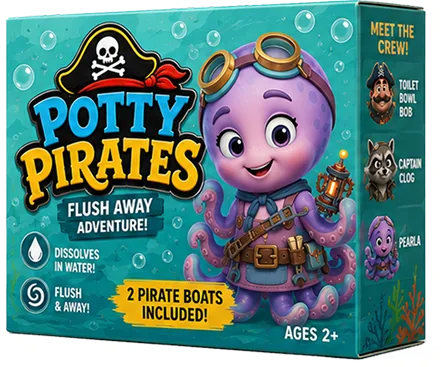
Pearla Edition
- A fleet of fizzing, color-changing pirate ships
- Aim-and-dissolve target practice in every bowl
- Non-toxic formula that cleans as it plays
- The whole collectible crew to discover
We'll email you the moment we launch on Kickstarter. No charge today.