Beyond Sticker Charts: Reward Systems That Don't Lose Their Magic
Sticker charts sound great, but they often fizzle fast. Here are potty training sticker chart alternatives that build real motivation and make the process easier for everyone.
You’ve probably seen the sticker charts. Pirates, princesses, dinosaurs, each one promising to turn potty training into a game your toddler can’t wait to play. You bought one (or three). Your child was thrilled for about two days. Then the stickers sat in the drawer, the chart curled off the wall, and you’re back where you started.
Sticker charts are one of the most popular potty training tools, but they’re also one of the most overrated. They work beautifully for some kids. For many others, they fizzle fast. The good news? There are plenty of potty training sticker chart alternatives that tap into what actually motivates toddlers: immediate feedback, ownership, play, and real accomplishment.
Let’s look at reward systems that don’t lose their magic after the first week.
Why sticker charts stop working
Before we dive into alternatives, it helps to understand why sticker charts often fail.
Sticker charts rely on external motivation. Your child does the thing to get the thing. That works great when the sticker (or the prize at the end of the chart) still feels exciting. But toddlers are fickle. What’s thrilling on Monday is boring by Wednesday.
The reward is delayed. Most charts require filling multiple rows before earning a prize. That’s an eternity in toddler time. Young children respond best to immediate feedback, the kind that happens right after the action.
They put the focus on the wrong thing. Instead of celebrating the child’s growing independence, charts make the goal about earning external rewards. When the chart stops being interesting, so does the potty.
Research on readiness emphasizes that successful toilet training depends on a child’s developmental ability to recognize physical cues, communicate needs, and feel motivated to try. Sticker charts don’t address any of those things. They just add a layer of expectation that can backfire when your child isn’t quite ready.
That doesn’t mean rewards are bad. It means the right kind of reward, delivered at the right time, makes all the difference.
Immediate sensory rewards: instant cause and effect
Toddlers live in the moment. The best motivators are the ones that happen immediately after the action, creating a clear cause-and-effect connection your child can see, hear, or feel.
Fizzing, color-changing toilet targets
Drop something in the toilet that reacts when your child aims. It fizzes, swirls, changes color, and disappears. The reward is built into the action itself, no tracking required. This approach works especially well for boys learning to aim (here’s more on how to teach a boy to aim in the toilet).
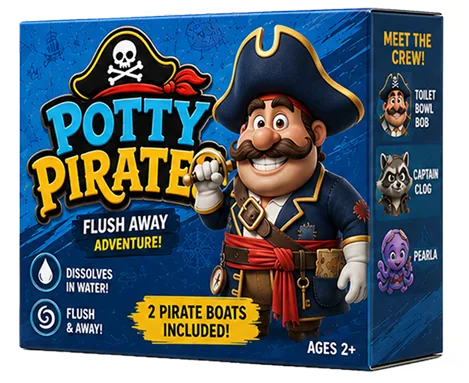
Potty Pirates are small pirate-ship tablets that turn aiming into a game: aim, fizz, color-swirl, dissolve. They’re screen-free, biodegradable, and they clean the bowl as they go. The magic happens in real time, which means your child isn’t waiting for a sticker or a prize later. The activity itself is the reward.
This approach also taps into toddlers’ natural curiosity. They want to see what happens. That intrinsic motivation is far more durable than stickers.
Bubbles or foam soap at the sink
Pair potty success with something fun that happens right after. Let your child wash their hands with bubbles, or spray a little foam soap that they can squish and rinse. The routine becomes its own mini-celebration.
Special flushes or flushing songs
Some kids are obsessed with flushing. Let them do it. Others are scared of the noise. For the fans, make flushing the reward. Add a silly song, a countdown, or let them wave goodbye to the pee. It’s immediate, it’s free, and it keeps the focus on the process rather than on earning something external.
For more ideas that use sensory engagement, check out 15 potty training games toddlers beg to play.
Ownership and choice: let them lead
One of the most powerful potty training sticker chart alternatives is simply giving your child more control over the process.
Pick the underwear
Let your child choose their own underwear. Go to the store together. Let them pick the character, the color, the style. When they have ownership over what they’re wearing, they’re more invested in keeping it clean and dry.
Choose the potty spot (within reason)
If your child resists the bathroom potty, ask where they’d feel more comfortable. Some kids prefer a potty chair in the playroom or the corner of the living room. As long as it’s not in the middle of the kitchen during dinner, let them have a say.
Pick a potty buddy
Some kids want a stuffed animal or doll to “potty train” alongside them. They can demonstrate, narrate, and teach their buddy. It shifts the dynamic from “you must do this” to “we’re learning together.”
This kind of autonomy builds intrinsic motivation, the kind that doesn’t fade when the novelty wears off. The American Academy of Pediatrics highlights the importance of letting children lead the process once they show readiness signs, rather than imposing rigid schedules or rewards.
Celebration over prizes: immediate praise that means something
Verbal praise is free, instant, and endlessly customizable. But not all praise is created equal.
Describe what you see
Instead of generic “good job,” be specific. “You felt the pee coming and you told me right away. That’s exactly what big kids do.” This kind of narration helps your child understand what they did well and reinforces the behavior.
Physical celebrations
High-fives, fist bumps, silly dances, victory laps around the living room. Make it playful and immediate. The celebration becomes part of the routine, and your child knows that success means connection and fun, not just a sticker.
Let them call someone
Some kids love announcing their wins. Let them FaceTime Grandma or call Dad at work. The pride and excitement in their voice becomes its own reward.
For a full list of reward ideas that don’t rely on candy or charts, see potty training rewards that aren’t candy (and work better).
Progress markers that aren’t charts
If you like the idea of tracking progress but sticker charts aren’t working, try these alternatives.
A jar of marbles or pom-poms
Each success, your child drops a marble or pom-pom into a clear jar. They can see the jar filling up. When it’s full, they “graduate” to a special outing (library, park, ice cream trip). The visual is immediate, the reward is collective rather than transactional.
A potty book they add to
Create a simple book together. Each time they use the potty, they draw a picture or add a sticker to “their” book. The book becomes a record of their accomplishment, not a checklist of tasks.
Underwear milestones
Start with one pair of special underwear. When they keep it dry all day for several days in a row, they “earn” another pair. The milestone is tangible and functional, not just symbolic.
These methods still offer a sense of progress without the pressure of a rigid chart that can quickly feel like one more thing they’re supposed to do.
Natural consequences as feedback
Sometimes the best “reward” is simply the natural result of the action.
Staying dry feels good
Talk about how it feels to be dry. “Your pants are dry! That feels so much better than wet and sticky, doesn’t it?” Help your child notice and name the physical comfort that comes with using the potty.
Playing longer without interruptions
When your child goes before playtime starts, they get more uninterrupted play. Frame it as a benefit, not a bribe. “You used the potty before we started building, so now we don’t have to stop and change. We can keep playing!”
Big-kid privileges
Using the potty opens up new privileges: sitting at the table without a booster, picking out their own snack, going to the park without a diaper bag. These aren’t prizes you hand out. They’re natural steps that come with growing up.
This approach aligns with the developmental perspective emphasized in research: children are motivated by mastery and independence, not just external rewards.
Screen-free interactive tools
If you want something more structured than verbal praise but less rigid than a chart, consider tools that turn potty training into an engaging activity without screens.
Potty books with flaps or textures
Books that let your child interact, lift flaps, or press buttons keep them engaged while sitting on the potty. The book becomes part of the routine, and success means they get to read it again.
Toilet targets and dissolvable toys
Toilet targets aren’t just for aiming practice. They give kids something to focus on, turning the act of using the potty into a mini-game. Targets that dissolve, change color, or float add an element of surprise and satisfaction. For a deeper look, see toilet targets for potty training: what works and why.
Potty-time music or sounds
Create a potty playlist or let your child pick a song to play while they sit. The music becomes a cue, and finishing the song becomes a gentle timer. No pressure, just rhythm and routine.
For more ideas that don’t involve screens, check out screen-free potty training activities to keep toddlers engaged.
What to skip: common reward traps
Not every alternative is an upgrade. Here are a few approaches that often backfire.
Food rewards (especially candy)
Candy creates a transactional relationship with eating, and it can make potty training feel like a negotiation. If you do use food, keep it rare and non-sugary (a raisin, a single goldfish cracker). Better yet, skip food entirely.
Big prizes that take weeks to earn
Toddlers don’t have the patience for long-term goals. A bike they’ll earn “when the chart is full” might as well be in another lifetime. Keep rewards immediate and low-stakes.
Punishment or shame for accidents
This isn’t a reward, but it’s worth saying: never punish, scold, or shame a child for accidents. The Mayo Clinic and the American Academy of Pediatrics both emphasize that accidents are a normal part of the process. Negative responses create fear and resistance, making training harder for everyone.
If your child is having frequent accidents or resisting the potty entirely, it might be a readiness issue rather than a motivation problem. See why potty training isn’t working: 10 reasons and fixes for troubleshooting help.
When to use (and lose) rewards
Even the best alternatives should eventually fade. The goal is to build intrinsic motivation, where your child uses the potty because it feels good, not because they’re earning something.
Start with whatever motivates your child right now. If that’s a fizzing pirate ship, great. If it’s a high-five and a silly song, even better. As your child builds confidence and consistency, gradually reduce the frequency of the reward. Instead of every time, celebrate every few times. Then just the big milestones (first dry day, first week without accidents).
Eventually, the reward becomes the natural consequence: staying comfortable, playing uninterrupted, feeling proud.
If your child seems to regress when you pull back on rewards, it might mean they weren’t quite as ready as you thought. That’s okay. Take a break, try again in a few weeks, and revisit potty training readiness signs to confirm timing.
Matching the method to your child
There’s no one-size-fits-all approach. Some kids thrive on tangible markers like jars or books. Others respond best to immediate sensory feedback. Still others just want your attention and excitement.
Watch your child. What makes them light up? What do they talk about after? What do they ask to do again?
If your child loves cause and effect, try color-changing tablets or targets (like the ones in color-changing potty tablets: the science kids love). If they crave connection, double down on celebration and praise. If they need ownership, let them pick the potty, the underwear, and the routine.
The best potty training sticker chart alternative is the one that fits your child’s personality and developmental stage, not the one that worked for your neighbor’s kid or got the most likes on Pinterest.
For a broader look at how to keep things playful and engaging, see how to make potty training fun: 20 games that actually work.
The big idea: Sticker charts work for some kids, but many toddlers need rewards that are immediate, intrinsic, and woven into the experience itself. The best alternatives tap into your child’s natural curiosity, sense of ownership, and pride in growing up.
Sources
Frequently asked questions
Sticker charts rely on external motivation, which can fade quickly once the novelty wears off. They also put the focus on earning rewards rather than on the child's own sense of accomplishment and readiness. When the chart loses its appeal, training often stalls because the child's internal motivation hasn't been built.
Immediate, tangible feedback works better, like toilet targets that fizz and change color, or simple celebrations like high-fives and silly dances. These approaches create instant cause-and-effect connections and celebrate progress without creating dependency on external prizes. The key is to make the action itself rewarding.
Yes, when you focus on rewards that are built into the experience rather than separate prizes. Things like letting your child flush, picking out fun underwear, or reading a special potty book create positive associations without making your child dependent on getting something every time. Keep rewards simple, immediate, and eventually phase them out naturally.
This is a sign that external motivation has replaced internal readiness. Take a step back and assess whether your child is truly ready for training, or if you need to shift to more intrinsic motivators like celebrating the feeling of being clean and dry. You can gradually reduce the frequency of rewards while increasing verbal praise and focusing on your child's own pride in their accomplishment.
Make potty training the part of the day they ask for
- A fleet of fizzing, color-changing pirate ships
- Aim-and-dissolve target practice in every bowl
- Non-toxic formula that cleans as it plays
- The whole collectible crew to discover
We'll email you the moment we launch on Kickstarter. No charge today.
Make potty training the adventure they ask for
Reserve your spot for early access and founding-crew pricing. No payment today.
Captain Bob Edition
- A fleet of fizzing, color-changing pirate ships
- Aim-and-dissolve target practice in every bowl
- Non-toxic formula that cleans as it plays
- The whole collectible crew to discover
We'll email you the moment we launch on Kickstarter. No charge today.