Potty Training Essentials: The No-Fluff Gear Checklist
The only potty training essentials you actually need: a practical gear checklist (no fluff, no gimmicks) to help your toddler succeed without breaking the bank.
You’ve read the guides. You’ve checked the readiness signs. You’ve cleared your calendar for a potty training push. But when you start searching for potty training essentials, the internet tries to sell you musical potty chairs, elaborate reward charts, themed toilet targets, and enough gear to fill a nursery.
Here’s the truth: you need very little to potty train successfully. This checklist cuts through the noise and gives you the essentials (and only the essentials) that actually help your child succeed.
A potty seat your child can actually use
This is the only must-have purchase. You have two solid options, and the right choice depends on your child’s size, confidence, and your bathroom setup.
Option 1: A standalone potty chair. A small, kid-sized potty chair sits on the floor and lets your toddler’s feet rest flat, which provides stability and helps with bowel movements. According to the American Academy of Pediatrics, this sense of security can make a big difference for younger or smaller toddlers. Look for a simple design with a removable bowl for easy cleaning. Skip anything with bells, whistles, or electronics. Your child doesn’t need a potty that plays music; they need one that’s comfortable and easy to use.
Option 2: A toilet seat insert with a sturdy step stool. If you’d rather skip the standalone potty stage, a toilet seat insert (sometimes called a toilet topper or reducer) makes the regular toilet opening smaller and less intimidating. Pair it with a solid, non-slip step stool so your child can climb up independently and plant their feet for stability. This setup saves space and eliminates the need to transition from potty chair to big toilet later. Just make sure the stool is wide and sturdy enough that your child feels safe.
Both options work. Choose based on what makes your child feel most comfortable and confident.
Training underwear (lots of it)
Once you’re ready to ditch diapers during the day, buy at least 10 to 15 pairs of training underwear. Accidents are frequent in the early days, and you’ll be changing your child multiple times a day. Having enough pairs means you’re not constantly doing laundry or scrambling for a clean option.
Let your child pick out a few pairs featuring their favorite characters or colors. That small bit of ownership can boost excitement and motivation. Look for underwear with a bit of extra padding if you want some protection for furniture and car seats, but keep in mind that the goal is for your child to feel wetness. That feedback helps them recognize the need to go.
What about pull-ups? Some families use them as a bridge between diapers and underwear, especially for outings or naptime. Others find that pull-ups feel too much like diapers and slow progress. There’s no single right answer. If pull-ups reduce your stress during errands or help your child feel less anxious, use them. If going straight to underwear works better, do that.
A step stool (even if you have a potty chair)
A step stool isn’t just for reaching the toilet. It also helps your child reach the sink to wash hands after every potty trip. Handwashing is part of the routine from day one, and a sturdy stool makes it possible for your toddler to do it independently.
Choose a stool with a non-slip surface on top and rubber feet on the bottom. It should be wide enough that your child feels stable, not wobbly.
A simple reward system
Positive reinforcement works. You don’t need an elaborate treasure chest or a complicated point system. A small immediate reward after each success keeps motivation high, especially in the first few weeks.
Stickers are classic for a reason. Let your child place a sticker on a chart or poster after each successful trip to the potty. Some families use a few chocolate chips, mini marshmallows, or a single gummy bear. The key is that the reward is immediate, consistent, and something your child genuinely likes. For more ideas that go beyond candy and stickers, check out our guide on potty training reward ideas.
Keep rewards small and phase them out gradually as using the potty becomes routine. The goal is to build intrinsic motivation, not create a toddler who expects a prize every time they pee.
Easy-on, easy-off clothing
This isn’t something to buy; it’s something to prioritize in your child’s wardrobe during potty training. Dress your child in clothes they can pull down and up without help. Elastic-waist pants, shorts, skirts, and dresses are your friends. Avoid overalls, belts, buttons, snaps, and anything tight or complicated.
When your toddler feels the urge to go, they need to get to the potty and get their pants down fast. Fiddly clothing leads to accidents and frustration. Save the cute outfits with tricky closures for after potty training is solid.
Portable potty training essentials for outings
You’ll need to leave the house eventually, and that means thinking ahead. Keep a small bag in your car or diaper bag with these basics:
- A change of clothes (top and bottom). Pack at least two full outfits in the early weeks.
- Extra underwear. Three or four pairs.
- A plastic bag for wet clothes. A gallon-sized ziplock works fine.
- Wipes or toilet paper. Not all public restrooms are well-stocked.
- A portable potty seat (optional). These fold-up seat covers fit over public toilet seats and make them less intimidating for toddlers. They’re not essential, but some kids refuse to sit on a big, cold public toilet without one.
If you’re doing a longer car trip, consider a travel potty. These small, portable potties have disposable liners and can be a lifesaver during a highway emergency.
Cleaning supplies (because accidents happen)
Potty training means pee on the floor, poop in underwear, and messes you didn’t see coming. Stock up on supplies that make cleanup quick and stress-free:
- Enzyme-based cleaner. This breaks down urine and eliminates odors from carpets, upholstery, and car seats. Regular soap doesn’t cut it.
- Paper towels or old rags. You’ll go through a lot of these.
- A waterproof mattress protector. Even if your child wears a pull-up at night, accidents happen. Protect the mattress now and save yourself a headache later. We cover nighttime training in more detail in our nighttime potty training guide.
Optional but helpful: something to make aiming fun (for boys)
If you’re potty training a boy and want to work on aim, a simple toilet target can turn practice into a game. You don’t need anything fancy. Toss a few pieces of cereal into the toilet and encourage him to aim at them. If you want something reusable, small foam or plastic targets work too.
For a bit more excitement, Potty Pirates (fizzing, color-swirling pirate-ship tablets that turn the toilet bowl into a game) can make aiming feel like an adventure. The ships fizz and dissolve as your child aims, adding a satisfying cause-and-effect element to the process. For more strategies on teaching aim, check out how to teach a boy to aim in the toilet.
What you DON’T need
Here’s what you can skip, no matter what the parenting blogs and Amazon ads try to sell you:
- Fancy potty chairs with lights, sounds, or apps. Distractions don’t help. Your child needs to focus on their body’s signals, not a screen or a song.
- Multiple potties for every room. One potty is enough. Part of potty training is learning to recognize the urge and get to the bathroom in time.
- Complicated reward charts or treasure chests. Simple stickers or a small treat work just as well, and you won’t be managing a complex point system while also wiping down a potty chair.
- Expensive training pants with cartoon characters. Plain training underwear does the same job at a fraction of the cost.
- Books and apps that promise to “potty train in three days.” Potty training timelines vary widely by child. Expecting a specific deadline often leads to frustration. For a realistic look at timelines, read how long does potty training take.
A few extras that make the process smoother
These aren’t essentials, but they can reduce stress and keep your child engaged:
Potty training books. A simple picture book about using the potty normalizes the process and gives your child something to relate to. Read it together during the weeks leading up to potty training and during bathroom trips. We’ve rounded up the best options in our potty training books guide.
A timer or watch. In the early days, setting a timer to remind your child to try the potty every 30 to 60 minutes helps establish a routine. You can use your phone, a kitchen timer, or a kid-friendly watch. The goal is consistency without nagging.
Patience and a sense of humor. Not something you can buy, but the most important thing you’ll bring to potty training. Accidents happen. Resistance happens. Progress isn’t linear. Stay calm, stay encouraging, and remember that every child gets there eventually.
How to know if you’re buying too much
If you’re spending more than an hour researching potty training gear or filling a shopping cart with gadgets, you’re overthinking it. The essentials list is short: a potty seat, underwear, a step stool, a simple reward system, and cleaning supplies. Everything else is optional.
Your child doesn’t need the perfect setup to succeed. They need consistency, encouragement, and a parent who believes they can do it. For more ideas on keeping the process engaging without gadgets, explore our collection of screen-free potty training activities.
Wrapping up your potty training essentials
Potty training doesn’t require a full gear overhaul or a big budget. A potty seat your child can use comfortably, plenty of training underwear, a step stool for independence, a simple reward system, and easy clothing will get you 95% of the way there. Add cleaning supplies for the inevitable messes, and you’re set.
Focus less on the stuff and more on timing, patience, and encouragement. The best potty training essential isn’t something you buy. It’s your calm, positive presence and your belief that your child will figure this out.
The big idea: Potty training essentials are simpler than you think, buy a comfortable potty seat, plenty of underwear, and a step stool, then focus your energy on encouragement and consistency, not gear.
Sources
Frequently asked questions
You need a potty seat (either a standalone chair or a toilet insert with step stool), multiple pairs of training underwear, and a simple reward system like stickers or small treats. Everything else is optional. Focus on what makes your child feel comfortable and confident, not what looks fun on the packaging.
Either works, and it depends on your child. A standalone potty chair lets younger toddlers sit comfortably with feet flat on the floor, which helps with stability and bowel movements. A toilet seat insert saves space and skips the transition step later, but requires a sturdy step stool. Choose based on your child's size and confidence level.
Plan for at least 10 to 15 pairs during the early days of potty training. Accidents are normal and frequent at first, so you'll be changing multiple times a day. Having enough underwear means less laundry stress and more time focusing on your child.
Many parents find that going straight to underwear helps toddlers feel wetness and learn faster, but pull-ups can be useful for outings, naps, or children who need a slower transition. There's no single right answer. Choose what reduces stress for your family and keeps your child feeling successful.
Make potty training the part of the day they ask for
- A fleet of fizzing, color-changing pirate ships
- Aim-and-dissolve target practice in every bowl
- Non-toxic formula that cleans as it plays
- The whole collectible crew to discover
We'll email you the moment we launch on Kickstarter. No charge today.
Make potty training the adventure they ask for
Reserve your spot for early access and founding-crew pricing. No payment today.
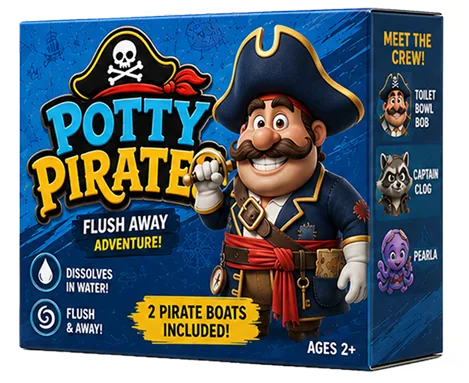
Captain Bob Edition
- A fleet of fizzing, color-changing pirate ships
- Aim-and-dissolve target practice in every bowl
- Non-toxic formula that cleans as it plays
- The whole collectible crew to discover
We'll email you the moment we launch on Kickstarter. No charge today.